

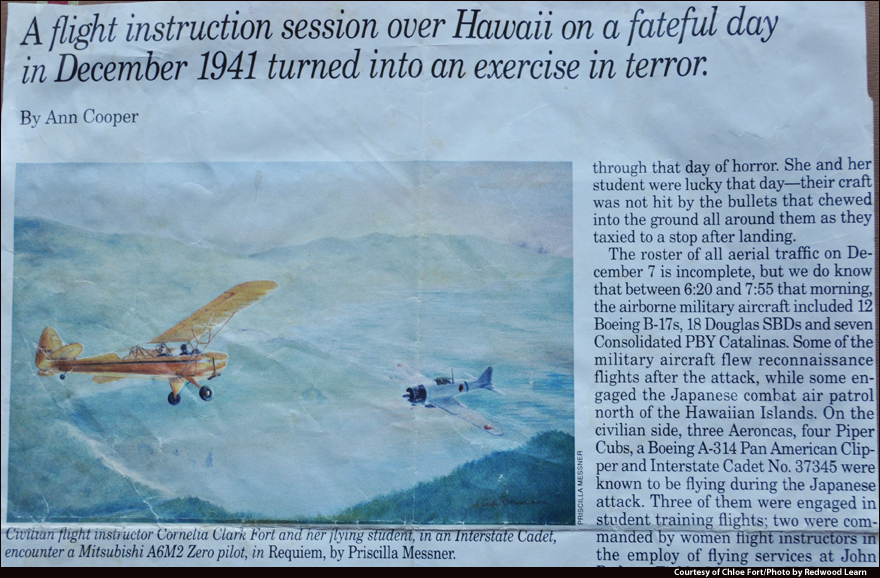
Nov. 17, 2021 – Early on Dec. 7, 1941 in Honolulu, Hawaii, Cornelia Fort, 22, was doing what she loved to do. She was in the air instructing a student pilot. They were flying a bright blue and yellow Interstate Cadet, a training aircraft. With her student at the controls, Cornelia spotted Japanese aircraft and knew the planes were not friendly. She grabbed the controls from her student. The U.S. Naval Base at Pearl Harbor was under a surprise attack. Cornelia landed safely. Cornelia was likely the first or one of the first to realize what was happening on that beautiful Sunday morning.
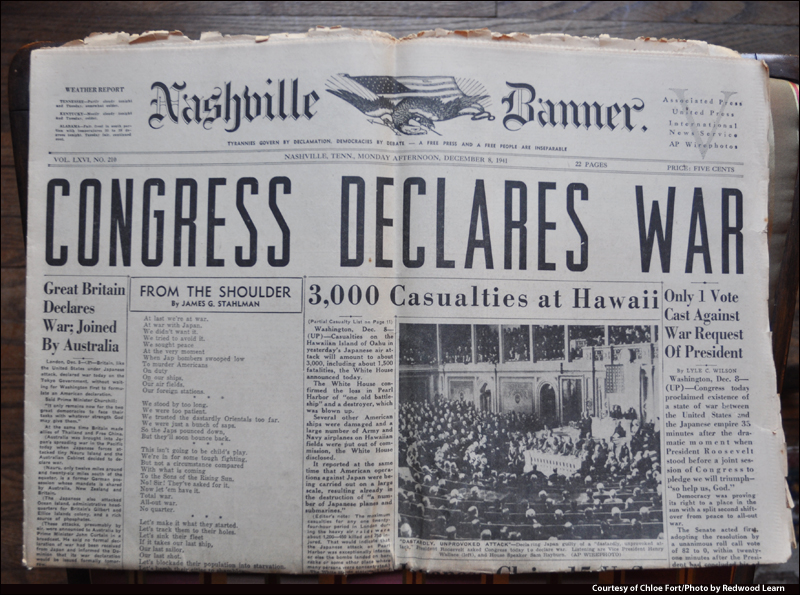
The following day, then President Franklin D. Roosevelt (FDR) referred to the day as “a date which will live in infamy” during a speech before a Joint Session of Congress and the nation. The United States of America entered World War II as an ally of Great Britain (England) against the Axis Powers – Nazi Germany, Imperial Japan and Italy.
Cornelia Fort: Early Life in Nashville
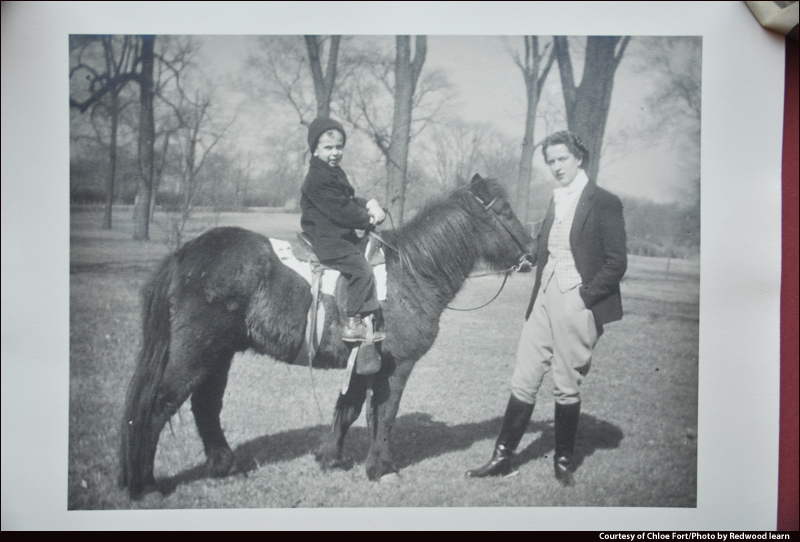
Cornelia Fort was born in 1919 in Nashville, Tennessee. Her father was a physician and successful businessman who started an insurance company. She grew up on a large family estate – Fortland Farms.
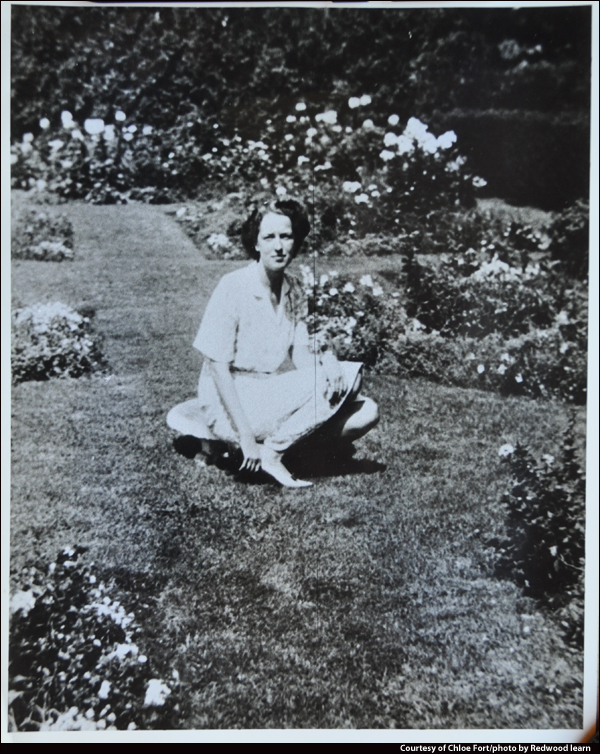
She had three older brothers and a younger sister. With an inclination for adventure not always appreciated in girls, Cornelia struggled to find her place in the world. She finally found her calling in the air.
Firmly adverse to risk, her father made a point of telling his three sons in 1924 they were to never fly an airplane. It had only been a few years since 1903 when Orville and Wilbur Wright, two brothers who owned a bicycle business in Dayton, Ohio, conquered human flight when they flew the first heavier-than-air, human controlled mechanical device – an airplane. After watching the Wright Brothers, the quest to fly above the Earth enthralled men and women alike. The aviation industry took off and never looked back. In 1969, the United States landed two astronauts on the Moon.
Cornelia was five years old when she heard her brothers promise their father in 1924 they would never fly. Dr. Fort had watched barnstormers flying recklessly in the sky. He thought it too risky for his sons. Dr. Fort never thought of having Cornelia make the same promise.
Her teenage years were difficult as she was tall for her age, dreaded high school dances and was certainly not looking forward to her official “debut” into Nashville society. Her father charted her educational path but Cornelia begged him to let her enroll in Sarah Lawrence College, a liberal arts college in Bronxville, New York. After attending one year of junior college at a school in Philadelphia her father chose, he relented and allowed her to enroll at Sarah Lawrence.
She attended Sarah Lawrence for two years, basking in opportunities for fun and culture at restaurants and museums in nearby New York City. Earning a two-year diploma in 1939, she decided not to return to continue her education and instead, stayed at home in Nashville pondering her future.
Cornelia Finds Her Future in the Cockpit
In winter 1940, Cornelia went along with a friend to take a ride in an airplane at a local flight school, a brief excursion that would define her future. Soaring above Nashville set her free. She had found her calling and it was in a cockpit as a pilot, not a passenger.
By summer 1940, Cornelia had her private pilot’s license. Her father passed away in March 1940 so even though her mother did not approve, Cornelia felt she had the freedom to pour every ounce of energy into her new profession.
By early 1941, she earned her commercial pilot’s license and soon thereafter, became an instructor. She began as a flight instructor in Nashville while applying to flying schools around the country to be hired as an instructor. She secured a job in Fort Collins, Colorado so she left Nashville. Only there for a few short months, she jumped at the chance to move to Honolulu, Hawaii after securing a job at a flight school. Military production of airplanes was ramping up and she would be training sailors and defense workers how to fly. In June 1941, the U.S. Army Air Corps became the U.S. Army Air Forces as war loomed on the horizon.
In late September, 1941, Cornelia moved into an apartment in Waikiki in Honolulu. The U.S. Naval Base at Pearl Harbor was a few miles away. In a letter to Dudley, her brother, she told him food was very expensive and noted butter cost her $0.67 per pound.
Dec. 7, 1941 and WWII
There were about seven or eight small civilian airplanes flying in the skies near Pearl Harbor on December 7, 1941. Some large American military airplanes were due to land at Pearl Harbor that day. Blips on radar that morning were thought to be those airplanes arriving early.
Cornelia was in the air with a student. Her student was at the controls. She suddenly noticed airplanes with the Rising Sun insignia. She had seen that red circle on ships docking in Honoulu but never planes. She knew the planes were Japanese. The following words are Cornelia’s account of that morning from her flight logbook:
“Flight interrupted by Japanese attack on Pearl Harbor..an enemy plane shot at my plane..missed and proceeded to strafe John Rodgers Civilian Airport. Another plane machine gunned the ground in front of me as I taxied to the hangar.”
Cornelia’s quick assessment of the situation and her decisive actions to evade the Japanese aircraft were remarkable for a young pilot only 22 years old. Landing safely, she learned that another flight instructor had been killed as he and his student ran for safety on the runway.
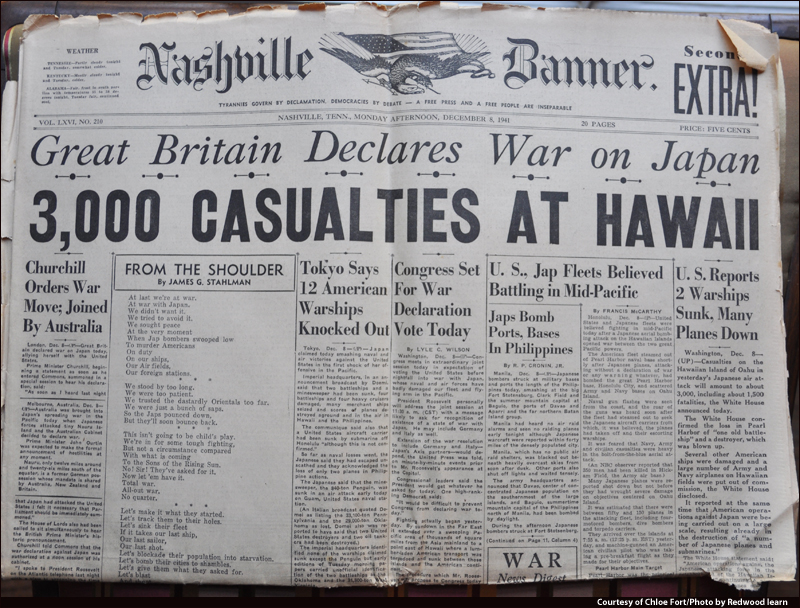
All civilian aviation stopped immediately. Cornelia no longer had a job but it took her months to return to Nashville as travel off the island was severely restricted.
Once back in Nashville, she returned to her job as a flight instructor. On Sept. 6, 1942, she received a telegram from the U.S. Army Air Forces to report to Wilmington, Delaware if she wanted to be considered for the newly formed Women’s Auxiliary Ferrying Squadron (WAFS). Cornelia immediately left for Delaware and was the second candidate to arrive for evaluation. She was accepted as one of the “Originals,” the first female pilots to ferry military aircraft within the United States for the U.S. Army Air Forces.
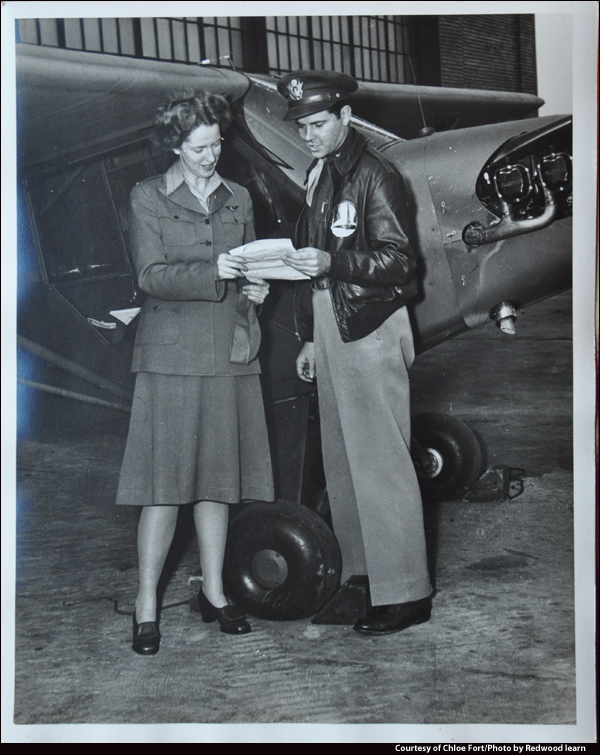
On March 21, 1943, Cornelia Fort was killed in an airplane accident over Texas as she was on her way from Long Beach, California to deliver a plane to Love Field in Dallas. She was the first female pilot to die in service to the country. While the WAFS and WASP (formed in July 1943 with the WAFS operating within the WASP), did not have military status during WWII, they were finally recognized as military veterans in 1977.
Life lessons from Cornelia are timeless. Her courage, patriotism, fortitude, and zest for life remain an inspiration to all as the nation commemorates the 80th anniversary of Pearl Harbor.
Reference: Daughter of the Air: The Brief Soaring Life of Cornelia Fort by Rob Simbeck (1999)
Book Recommendation: The Originals by Sarah Byrn Rickman (2001, 2017)
REVIEW QUESTIONS
1. When and where was Cornelia Fort born?
2. When did Cornelia earn her private pilot’s license?
3. Where was Cornelia a flight instructor in fall 1941?
4. Where was she when Imperial Japan attacked the U.S. Naval Base at Pearl Harbor?
INQUIRY QUESTIONS
1. Put yourself in the cockpit of the plane Cornelia was flying on Dec. 7, 1941. What prepared Cornelia to act so quickly?
2. How did Cornelia take advantage of the limited opportunities for female pilots in the 1940s?
3. What is Cornelia’s legacy?
4. Why is Cornelia’s life an inspiration to all young adults today?