

May 30, 2023 – The promise of spring color bursting from the ground is invigorating. Monochromatic scenes of winter are now in the rear view mirror. The days ahead will be filled with nature’s annual announcement that it’s to plant and grow. Millions of birds are migrating north to spend the summer in Canada. And millions of gardeners are planting edible vegetable gardens and fruit orchards. About 70 percent of all fruits and vegetables need to be pollinated by pollinators. What are pollinators?
Pollinators are mostly insects that pollinate plants, bushes and trees that grow fruits and vegetables. IWithout pollinators, there would not be strawberries, apples, coffee or chocolate to name just a few. It’s unimaginable.
Butterflies and bees are two important pollinators. Protecting pollinators is the first step to making sure plants, bushes and trees that produce fruit and vegetables thrive. A global effort is underway to support the monarch butterfly, a species that has been in steep decline in the past few years. Monarchs are fascinating to study. Monarchs east of the Rocky Mountains migrate in the fall south to central California and central Mexico. Because of this ritual, scientists are able to study the health of the population by counting butterflies during migration once the black and orange beauty arrives in its winter home.
The news is not good. According to the Xerces Society, an organization devoted to preserving invertebrates, monarchs that migrate to California are at 1 percent of their historic population and monarchs that migrate to central Mexico from west of the Rocky Mountains are currently at one-third of their normal numbers.
On March 13, 2020, the World Wildlife Fund-Mexico announced that monarchs in central Mexico occupied an estimated 2.83 hectares of forest during the winter of 2019-2020. Last year, monarchs occupied 6.05 hectares, a reduction of approximately 53 percent. The population has declined by about 80 percent.
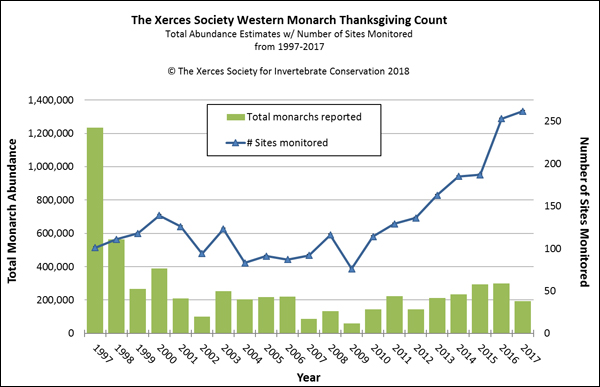
According to the Xerces Society, loss of habitat due to genetically modified crops, overuse of herbicides and insecticides, urban, suburban and agricultural development, disease, climate change, and overwintering site degradation are the leading causes of monarch decline. The Xerces Society is working with farmers, ranchers, park and natural areas managers and gardeners across the eastern U.S. to plant milkweed and nectar plants needed for the monarch’s survival.
So the marching orders are clear. Tens of millions of people could take time to plan and then plant a wildflower garden. There are a lot of companies that sell seed with good directions on how to plant the tiny seeds. Most recommend mixing seed with sand before scattering on the ground. And the ground should be cleared first. Weeds will choke the growth of wildflowers so it’s important to have a clear path of soil.
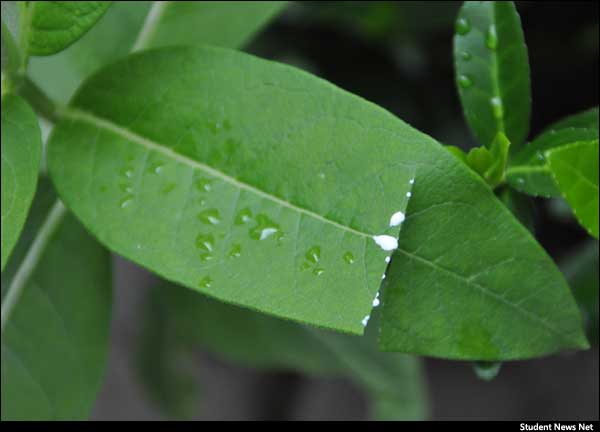
Monarchs really favor milkweed plants, their favorite food, so make sure to plant some milkweed plants outside this spring. Break a leaf and you will see why monarchs find the plant so delectable.
Wildflower seeds will take a few weeks to germinate but once they do, it will be a brilliant display of nature’s color palette and food for pollinators!