
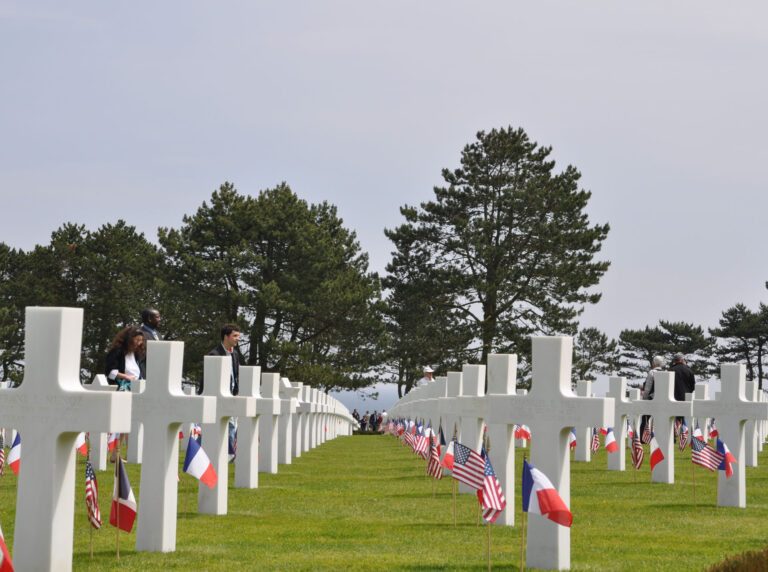
Newsletter #4, June 5, 2026 – Tomorrow is the 82nd anniversary of D-Day, the largest air, sea and land invasion ever attempted. In my May 22 newsletter, I mentioned Pressure, the new movie about the weather forecast that convinced Gen. Eisenhower to delay D-Day from June 5 to June 6, 1944. The movie opened last weekend and I saw it on Saturday, the first movie I have been to in a theater in a very long time. The silver screen is still awesome and with new amenities, theaters deliver a unique experience not possible at home.
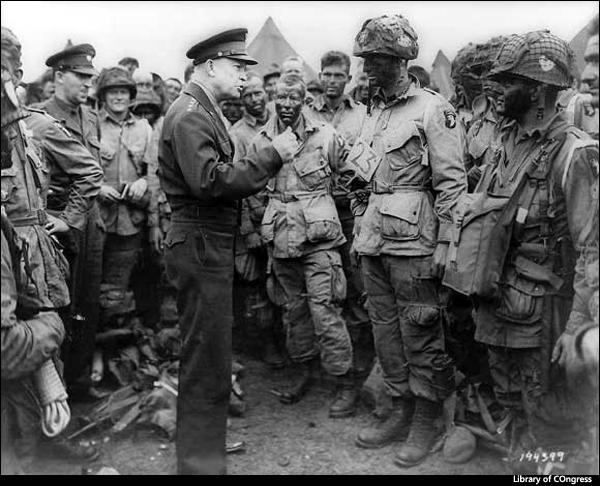
I knew there would be parts of the movie that would not be historically accurate but it’s a movie, not a documentary. I took those parts in stride. The reviews have been very positive so I am thrilled many thousands of people will see Pressure. The story of what’s been called the most important weather forecast in modern history now has legs as we say in the journalism world. That’s wonderful news.

Personally, I wasn’t crazy about the casting of Gen. Eisenhower and James Stagg, Eisenhower’s chief meteorologist. In his 1971 book about his D-Day forecasts (Forecast for Overlord), Stagg said he first met Gen. Eisenhower in mid-January 1944 at Norfolk House in England upon Eisenhower’s appointment as Supreme Allied Commander. Stagg describes Eisenhower as follows: “With a broad smile, an athletic movement like a gymnastic instructor about to give his first lesson and in a trim, well-tailored battle-dress with well-ironed creases in all the right places he looked in first class mental and physical condition.” (p. 17)
Stagg, played by Andrew Scott, was very tall ( 6’4”) and lanky with a serious demeanor. Again, giving creative license to movies to change characters’ physical appearance, I felt the movie should have delved deeper into Stagg’s professional expertise. Specifically, I would have liked to have seen more emphasis on the weather charts and Stagg’s analysis. I know how difficult it is to interpret those charts but just showing the change in wind speed from June 5 to June 6 on the charts could have been depicted with all the Hollywood drama needed to make for an exciting scene. As a major character and the foundation of the entire plot, I felt the movie needed to give more credence and support to Stagg’s meteorological expertise.
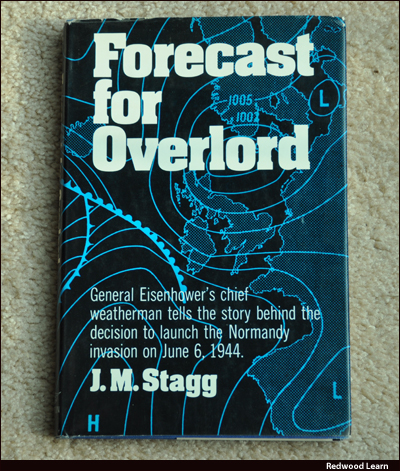
In his book, Stagg said weather patterns that summer in the English Channel resembled winter patterns more than summer, a trend he had no way of knowing in early June 1944. Stagg’s brilliance was that he trusted the weather data being presented to him regardless of its anomalies from prior years. Stagg also noted in his book that when the weather was sunny and clear, he delivered a forecast to Eisenhower that was bleak and stormy. And when the weather was awful with torrential rain and strong wind at Southwick House, he delivered a forecast for clearing and improved conditions. Meteorologists work in the future but most people live in the present, a unique dichotomy that added to Stagg’s stressful time delivering weather forecasts to Eisenhower. It’s mentioned in the movie.
After the war, Eisenhower was asked what made victory possible on D-Day and he said he had better meteorologists than the Germans. With strong storms in the English Channel on June 5, the Germans never thought the Allies would launch an invasion that week. They missed the brief gap that Stagg saw that gave him confidence to predict a period of clearing weather for June 6, now the most famous weather forecast in modern history.
I like to honor the D-Day anniversary each year whether it is a major one, such as the 75th in 2019 and the 80th in 2024, or not. Each anniversary is significant, a reminder of the sacrifices thousands of Allied soldiers made on that day to free western Europe from Nazi occupation, oppression and genocide.
The D-Day photos in this newsletter are from my coverage of the 65th D-Day anniversary in 2009 from Normandy. I snapped the picture of the building flying the Allied flags from a moving bus so was thrilled when I saw it with the sun shining on it. People were sitting on the sidewalk in front of the building waving flags as well. I remember being surprised and thinking the idea that the French people did not like Americans was not accurate.
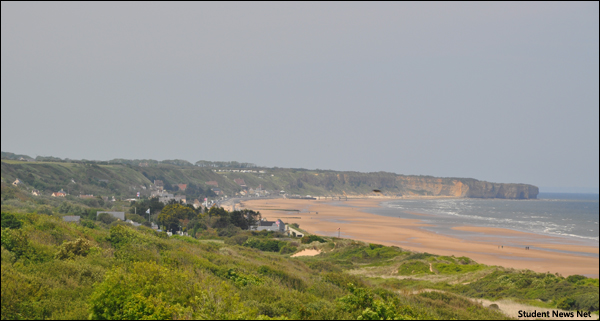
People everywhere love freedom. It reminds me of Cornelia watching bombers fly overhead during the WAFS first review. She said they were all flying for freedom loving people around the world. Let’s all carry on…
All the best,
Judy